01
Inspection first
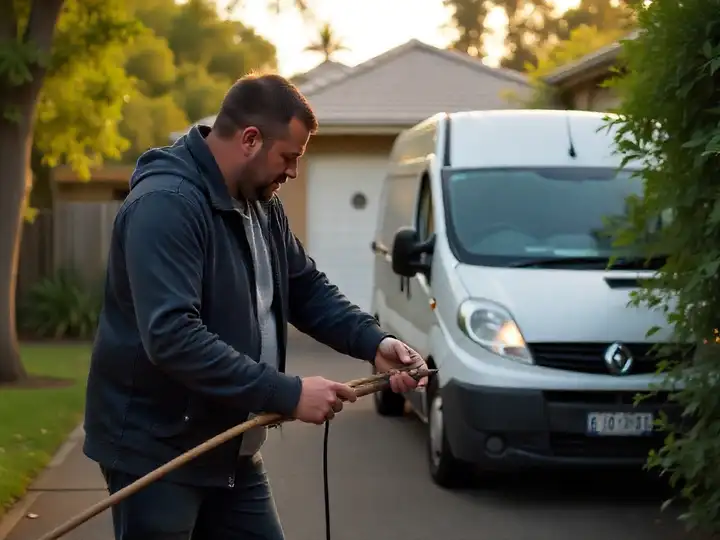
Roof void, walls and subfloor checked to find how rodents are getting in.

Rodent Control in Camberwell means finding where rats and mice are getting in, removing them, and sealing the building so they cannot return. We work the leafy inner-east every week, from period homes near Camberwell Junction to family houses along Wattle Valley Road. You get a same-day inspection, a written treatment plan and proofing that lasts.
Roof void, walls and subfloor checked to find how rodents are getting in.
You see what we found and the plan before any work starts.
Gaps proofed with steel mesh and sealant, not just bait.
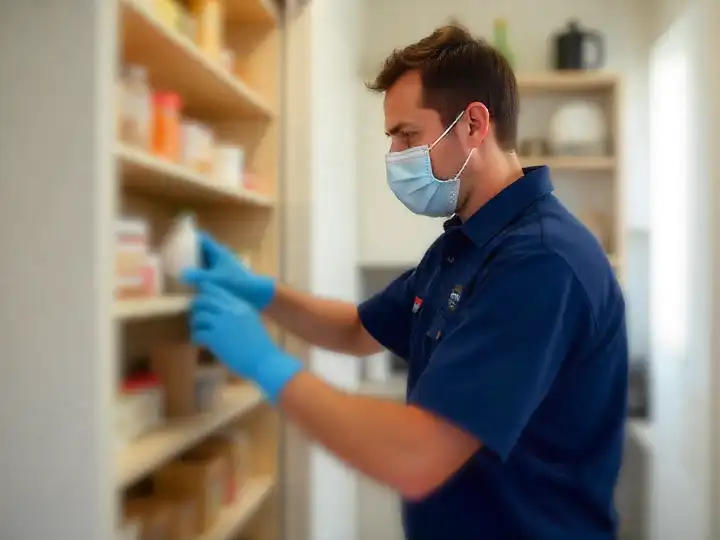
Lockable, tamper-resistant stations placed with kids and pets in mind.
Camberwell's housing stock is the reason rodent work here looks different to most suburbs. Period properties around Prospect Hill Road and the Riversdale Road corridor were built with deep roof voids, double-brick cavity walls and original subfloor vents, and those voids are exactly where rats want to live. Add established gardens, compost bins and mature street trees, and you have a suburb where rodents can move from fence line to ceiling space without touching the ground. We run Camberwell Rodent Control as a full-service operation: inspection, trapping, baiting, proofing and clean-up, not just a box of bait left in the roof. Our technicians carry inspection mirrors and thermal imaging cameras to trace runs through wall cavities, then seal entry points with copper mesh, steel wool and cement mortar rather than foam that rats chew straight through. Every job is documented with photos of the entry points we found and the ones we closed, so you can see what changed. If you have heard scratching above the bedroom at 2am, that is the call we take most often in this suburb.
Rodent pressure in Camberwell is not constant through the year. It builds as the weather cools and food sources thin out, peaks in the colder months when animals move indoors, and drops back in spring when breeding activity shifts outdoors. Knowing the pattern helps you time a treatment before it becomes an infestation, and it is why we recommend a proofing check in autumn rather than waiting for the scratching to start.
Spring is breeding season, so populations rebuild quickly and activity spreads from established nests into new areas. In Camberwell's gardens, new growth along fence lines gives rodents fresh cover right up to the house.
Hot weather pushes rats and mice toward cool, damp areas: subfloors, cavity walls and around plumbing. Roof void activity often drops during the day but resumes at night, and outdoor food sources are plentiful so bait uptake can be slower.
As temperatures drop through autumn, rodents start moving indoors in earnest. This is when most Camberwell homeowners first hear scratching in the ceiling, and it is when demand for roof void work climbs sharply.
Winter is peak season. Cold, wet weather drives rodents inside, and Camberwell's older homes offer exactly what they want: warm roof voids, dry cavity walls and accessible subfloors. Calls about noise in ceilings and dead animal smells peak between June and August.
Camberwell sits in the middle of our inner-east service region, so most of the surrounding suburbs are a short run from a Camberwell job. If you are just outside the 3124 boundary, we almost certainly cover you.

A short run west along the river corridor, with similar period housing stock and the same roof void and cavity wall issues we see in Camberwell.
Local coverage and details
Directly adjoining Camberwell to the east, sharing the same leafy streets and large period homes. Many of our Camberwell customers refer neighbours here.
Local coverage and details
Further south toward the bay, with a different building mix but the same demand for roof void and subfloor rodent work.
Local coverage and details
A small suburb just west of Camberwell, close enough that we often pair bookings on the same run.
Local coverage and detailsA single-room mice treatment sits at the lower end, while a full roof void and subfloor job with entry sealing sits at the upper end. Double-brick cavity work and hard-to-access roof voids cost more because they take longer. We give you a firm figure before we start.
The right operator is the one who inspects before quoting, seals entry points rather than just baiting, and schedules a follow-up visit to confirm the result. Ask any Camberwell rodent control company whether proofing is included and whether they provide a written report with photos. If the answer to either is no, keep looking.
You need it if you have gnawed wiring, droppings near food storage, or a dead animal smell in a wall. Those are the situations where waiting a week makes the problem worse or creates a safety risk. Send a request through the form and mention if it is urgent.
Getting rid of rats properly takes three steps: find the entry points, remove the animals, then seal the building so they cannot return. Traps and bait stations handle the removal, but without proofing the next group moves in within weeks. In Camberwell's older homes, sealing cavity wall gaps and subfloor vents is usually the decisive step.
Yes, when it is done properly. We use locked, tamper-resistant bait stations placed in areas pets cannot reach, and we use snap traps and live catch traps where bait is not appropriate. Tell us about your pets when you book and we will adjust the treatment plan accordingly. All rodenticides we use are APVMA approved.
Not seeing your question? Our local team can help you understand urgency, scheduling and what to expect.
Ask the local team
Send us the form and we will book you in, usually the same day for urgent rodent work.
Tell us what you are hearing or seeing and we will give you a straight answer on what the job involves and what it will cost. No obligation, no pressure.